6 ASPCA Cat‑Safe Houseplants: Non‑Toxic Indoor Plants for Cats
- Oct 21, 2025
- 5 min read
Updated: Oct 21, 2025
If you’re anything like me, your home is a jungle of leafy companions and curious whiskers. But unfortunately, not all plants are purrfectly safe for our feline friends. I’ve spent countless hours learning about cat‑friendly plants that bring a touch of nature’s charm indoors that are safer for our daredevil kitties.
Today I'd like to share a few that you may not have heard of before, but should be able to find easily enough at your local nursery or plant store. So welcome, my fellow plant and cat lovers, as we dive into a world where paws and petals coexist in harmony!

Why Choose Cat‑Safe Houseplants?
Let’s face it—cats are curious creatures. They sniff, nibble, and sometimes even chew on whatever catches their eye. While some plants can be downright toxic to our furry pals, there are many others that are much safer choices. Choosing cat‑friendly plants means you’re creating a safe haven where your kitty can explore without you constantly worrying about vet visits or emergency calls.
Plus, these houseplants aren’t just cat-safe; they’re also fabulous conversation starters. Imagine your guests admiring your vibrant greenery while your cat lounges nearby, both thriving in a shared space of beauty and safety. It’s a win‑win!
6 Lesser‑Known Cat‑Safe Houseplants (ASPCA Non‑Toxic Approved)
Ready to add some green magic to your home? Here are six lovely houseplants that are as safe as they are stunning:
1. Aphelandra squarrosa (Saffron Spike Zebra Plant)
Why it’s special: With deep green leaves etched in bold white veins and a dramatic saffron‑yellow flower spike, this tropical beauty is a true showstopper.
Care: Bright, indirect light and consistently moist (not soggy) soil. Note that too much sun can scorch the leaves, and it appreciates higher humidity.
Cat‑safe bonus: Listed by the ASPCA as non‑toxic to cats, so you can enjoy its bold foliage and blooms without worry, even if your cat decides to nibble.

2. Brazilian Orchid (Sophronitis coccinea & relatives): Cat-Safe Variety
Why it’s special: Exotic, jewel‑toned blooms that brighten any room.
Care: Loves humidity and indirect light—perfect for kitchens or bathrooms.
Cat‑safe bonus: Orchids are often misunderstood, but many, including Brazilian orchids, are non‑toxic.

Learn more about orchids and tips on orchid care in our blog Ode to the Orchid: A Celebration of Enchanting Blooms!
3. Cast Iron Plant (Aspidistra elatior): A Hardy Houseplant
Why it works: Hardy, shade‑tolerant, and nearly indestructible—perfect for busy cat parents.
Care: Low light, minimal watering, thrives on neglect.
Cat‑safe bonus: Non‑toxic and resilient against paw swats.

4. Bromeliads (Guzmania, Neoregalia): A Touch of the Tropics
Why it’s special: Tropical rosettes with long‑lasting, colorful bracts.
Care: Water in the central “cup” and provide bright, indirect light.
Cat‑safe bonus: Exotic flair that’s safe for curious paws.

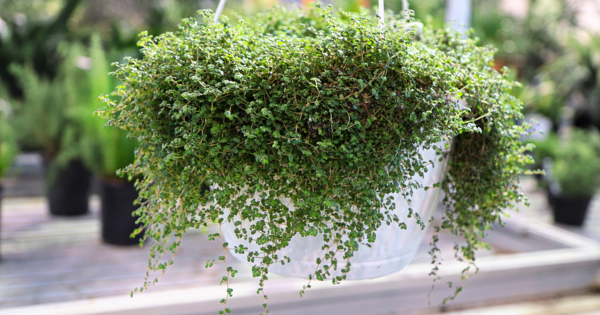
5. Soleirolia soleirolii (Paddy's Wig): Cat-Safe Trailing Plant
Why it’s special: A lush mat of tiny, trailing leaves that spill over pots.
Care: Thrives in consistently moist soil and indirect light.
Cat‑safe bonus: Soft, moss‑like foliage that won’t harm your cat.
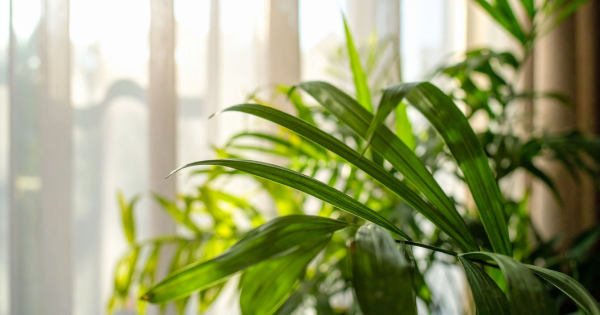
6. Chamaedorea elegans (Parlor Palm): Tall and Graceful Cat-Safe Plant
Why it’s special: Graceful fronds that bring a tropical vibe indoors.
Care: Tolerates low light and infrequent watering—great for busy cat parents.
Cat‑safe bonus: A tall, architectural plant that’s safe for brushing whiskers.
Is There a Houseplant That Cats Won’t Eat?
Ah, the million‑dollar question! While many cats are curious nibblers like my Jupiter and Caspian, some plants are less appealing due to texture or scent. Unfortunately, there’s no foolproof plant that guarantees your cat won’t take a bite. That’s why choosing non‑toxic plants is always the safest bet.

To protect your greenery and potted soil (Jupiter loves to dig):
Put river stones on top of the soil to prevent digging or mistaking for the litter box.
Try placing some of your plants on high shelves or in hanging planters.
Offer your cat their own safe greenery, like easy-to-grow cat grass or catnip, to satisfy chewing urges.
SAFETY NOTE: Always be sure to monitor your cat when introducing any new plant, as even non-toxic cat-safe plants can potentially cause gastrointestinal upset or other symptoms. Just like us, every kitty is unique!
It's also helpful to have the ASPCA Toxic and Non-Toxic Plants List bookmarked for questions about specific plants. If you think your cat is having a negative reaction to a plant, or has ingested anything else that they shouldn't have, you should call your veterinarian immediately.
How to Care for Your Cat‑Safe Houseplants
Now that you’ve got your green leafy squad, let’s talk care. The houseplants we've discussed here are generally low‑maintenance, but a little TLC goes a long way!

Watering: Most prefer soil that dries slightly between waterings. Avoid soggy roots!
Light: Bright, indirect light is ideal for most of the plants in this list, though the parlor palm and cast iron plant can tolerate low light conditions.
Humidity: Orchids, Bromeliads, and Baby’s Tears appreciate extra humidity.
Pruning: Trim dead or yellowing leaves to keep plants fresh.
Placement: Keep away from drafts and heating vents.
Repotting: Most of these cat‑safe houseplants benefit from fresh soil and a slightly larger pot every 2–3 years. Faster growers (like Baby’s Tears) may need it sooner, while slow growers like the Cast Iron Plant can wait a bit longer.
Caring for your plants is a part of caring for your space, which helps create a relaxing home where paws and people flourish!
A Home Where Cats and Houseplants Thrive
Creating a home filled with lush greenery and happy cats is totally doable. By choosing the right non-toxic plants—like the Saffron Spike Zebra Plant, Brazilian Orchid, Cast Iron Plant, Bromeliad, Paddy's Wig, and Parlor Palm—you’re setting the stage for a harmonious and purrfectly enchanting environment.
So go ahead: let your plants grow, your cats play, and your home bloom with verdant foliage and love. Happy planting and purring!

Interested in more info about cat-safe houseplants? Check out the 8 Worry-Free Plants That Understand Your Busy Cat Parent Life blog for the low down on other plants, such as those in the Calathea genus (shown with the kitty above) and more. Be sure to share some of your favorite cat-safe houseplants in the comments below!


Comments